May 28, 2026 | 8 minute read

Rib contouring recovery is one of the biggest questions patients ask before choosing this waist-defining surgical procedure. You may love the idea of a more tapered, hourglass figure, but you also want to know how long healing will take, when you can return to normal activities, and what your body may feel like at each stage.
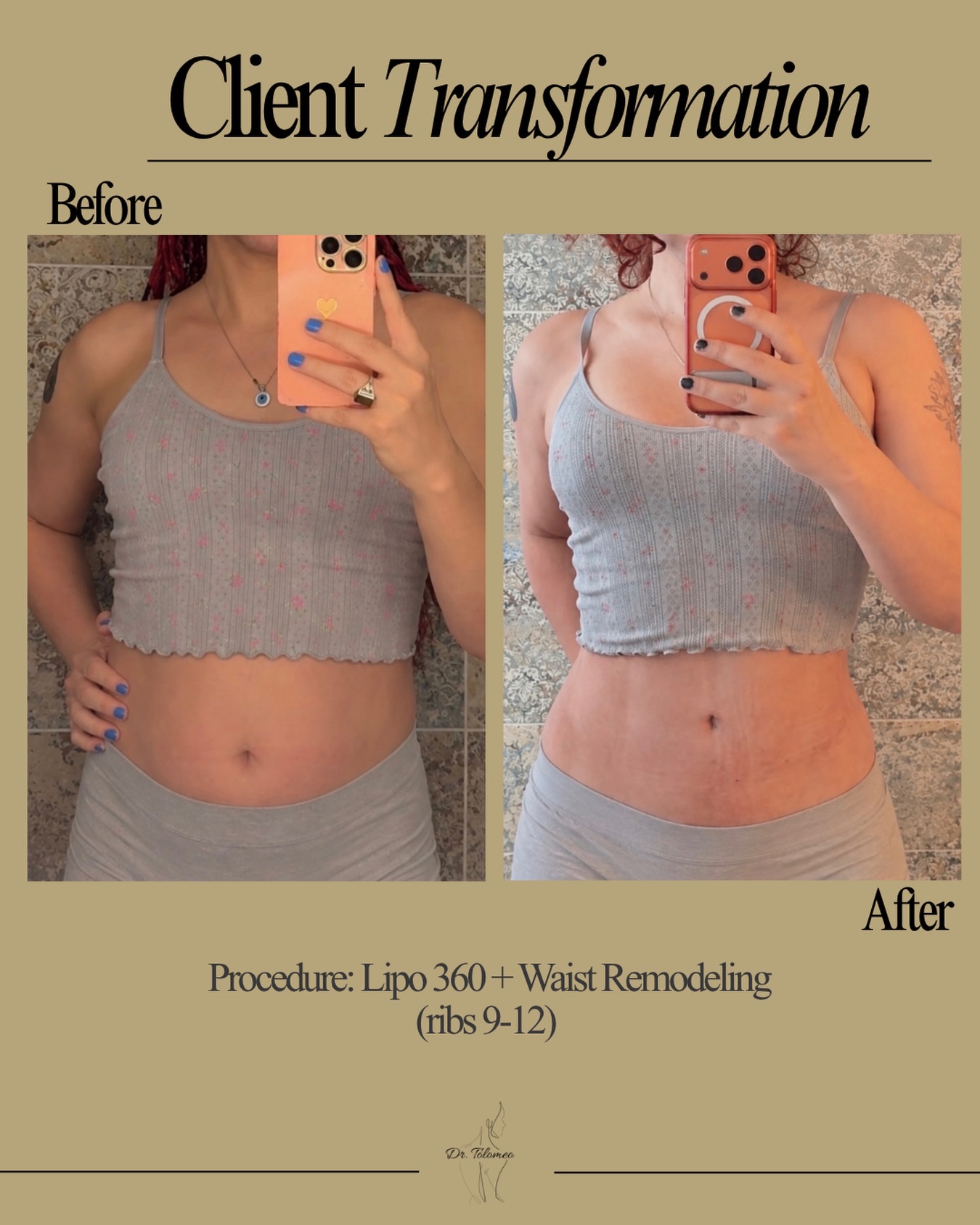
Rib contouring is a minimally invasive procedure that reshapes the lower ribs without removing them or changing their protective function. Patients typically wear a compression garment or specialized corset during recovery to support healing and help maintain the new rib position. It’s important to note that this procedure does not address excess tissue or fat.
What Patients Need to Know About Rib Remodeling Recovery
Rib contouring recovery is usually more straightforward than most patients expect, but it still requires patience, consistency, and careful follow-through.
Recovery requires no special aftercare beyond regular body contouring recovery, but it does include specific instructions such as wearing your corset as directed, limiting physical activity for at least six weeks, and adding light walking early to support circulation.
That means your recovery is not passive. You play an active role in protecting your natural-looking results.
Your job after surgery is to:
- Wear your corset or compression garment as instructed
- Avoid strenuous activity until cleared
- Walk lightly as directed
- Follow all medication and aftercare instructions
- Call the office with any concerns
Rib contouring changes the structure of the waist at the lower rib level, so healing is about more than swelling. Your body needs time to adjust, support the reshaped area, and settle into the new contour. Recovery time also varies based on any additional procedures performed, such as a skin tightening procedure or a tummy tuck to address weakened abdominal muscles and excess skin after major weight loss.
Rib Contouring Procedure Recovery Week by Week
Every patient heals differently. Your recovery process timeline may vary depending on your anatomy, whether rib contouring was performed alone or combined with High-Definition Liposuction or another body contouring procedure.
A standalone rib contouring procedure may take around 30 minutes and can be performed with local anesthesia, while combination procedures with high-definition 360 liposuction may take approximately three hours and require general anesthesia.
Week 1: Rest, Support, and Early Movement
The first week is when your body begins the most active stage of healing. You can expect swelling, soreness, tightness, and tenderness around the treated area.
Your corset or compression garment becomes especially important during this stage. The garment helps maintain the ribs’ new shape, supports healing ribs, reduces swelling, and helps the skin retract.
You should not plan to work out, lift, twist, or push through discomfort. Light walking, as directed by your surgical team, helps support circulation. Compression can promote circulation and help reduce certain post-surgical risks related to limited mobility.
This week is about staying comfortable, protecting your body, and following directions closely.
Week 2: Swelling Begins to Shift
By the second week, many patients feel more comfortable moving around the house. You may still notice swelling, tightness, and sensitivity, especially if you move too quickly or stay upright for too long.
This is not the time to test your limits. Your results are still developing, and the lower ribs need continued support.
You should continue wearing your corset exactly as instructed. If your garment feels uncomfortable, too loose, or too tight, contact the office rather than adjusting it yourself.
You may feel eager to see your new waist shape, but swelling can blur early results. Focus on steady healing rather than judging your final contour.
Weeks 3–4: More Independence, but Still Restricted
During weeks three and four, you may feel more like yourself. You may be able to resume light activities, and discomfort often improves.
That said, improvement does not mean full recovery.
You still need to avoid exercise, heavy lifting, intense core movements, and anything that strains the torso. Aftercare guidance includes limiting physical activity, including exercise, for at least six weeks.
This stage can be tricky because you may feel good enough to do more. Resist that urge. Returning to activity too quickly can increase swelling, discomfort, and unnecessary stress on the healing area.
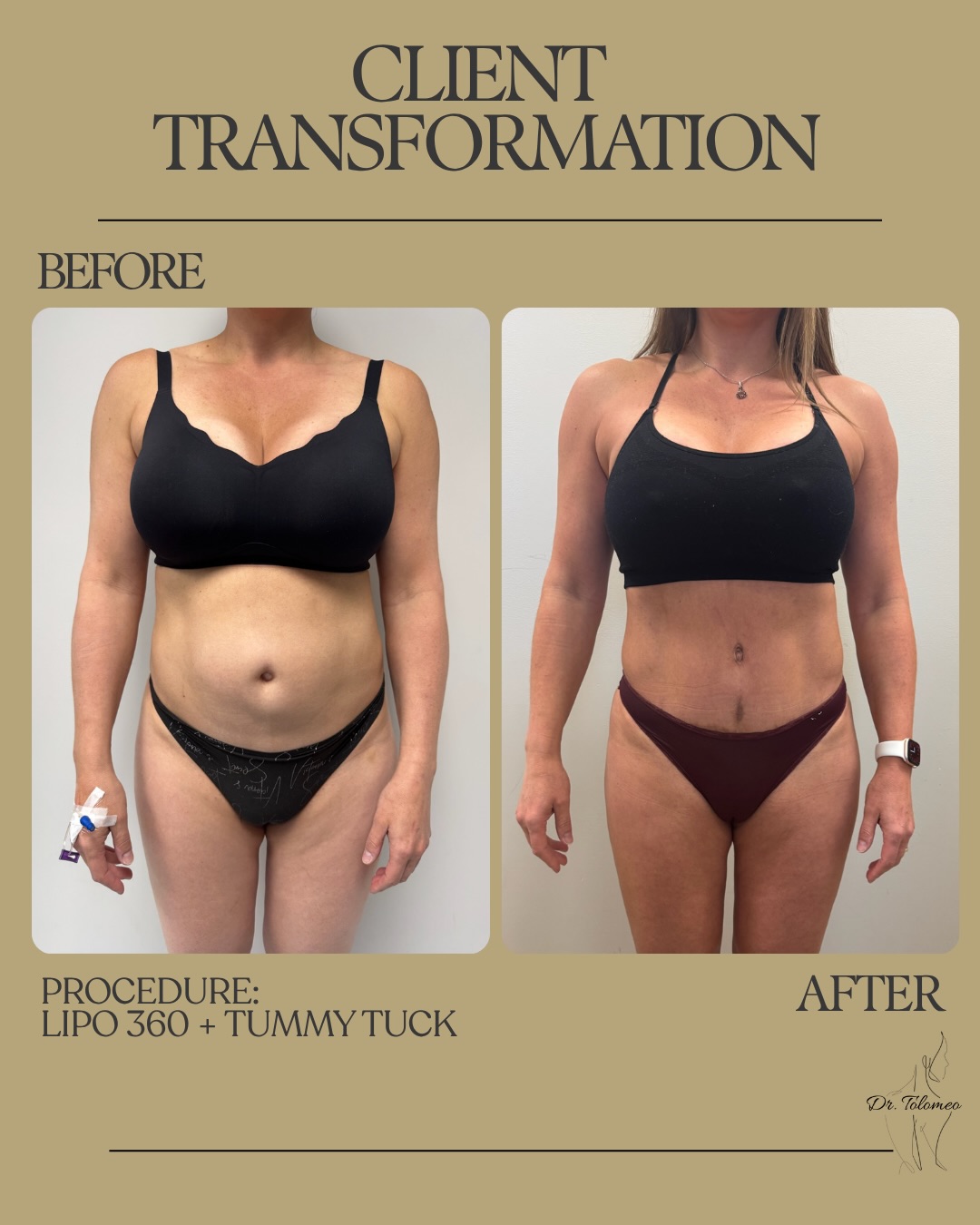
If your procedure included High-Definition Liposuction, you may also notice normal body contouring swelling during this phase. Rib contouring can be combined with high-definition 360 liposuction to improve the transition between the back and waist.
Weeks 5–6: Preparing for a More Normal Routine
By weeks five and six, your body may feel stronger and more stable. Swelling may continue to improve, and your waist definition is more noticeable.
This is still a protected recovery window. You should continue following the six-week activity restriction unless you are given different instructions.
During your follow-up visits, your surgical team may evaluate your healing, garment use, comfort level, and readiness to resume activity. Do not restart workouts until you receive medical clearance.
The goal at this stage is controlled progress. You want your body to heal in a way that supports your long-term waist contour, not just your short-term comfort.
After 6 Weeks: Gradual Return to Activity
After six weeks, some patients may begin returning to more normal activities with their surgeon’s approval. This does not mean you should jump straight into intense workouts.
You may need to restart slowly with low-impact movement before returning to strength training, core work, or more demanding exercise.
Your final rib contouring results still take time to refine. Swelling can continue to fade gradually, especially if rib contouring was combined with liposuction or other body contouring procedures.
What Helps the Rib Contouring Healing Process Go Smoothly?
A smooth recovery starts with realistic expectations and disciplined aftercare.
You can support your healing by:
- Wearing your corset as directed
- Walking lightly when approved
- Avoiding strenuous activity for the recommended period
- Sleeping and resting in a comfortable position
- Keeping all follow-up appointments
- Reporting unusual pain, swelling, redness, or concerns
Do not compare your healing to someone else’s. Your anatomy, surgical plan, and procedure combination all affect your timeline.
Why Choosing the Right Provider Matters for Recovery
Rib contouring requires precise judgment. You are not only choosing a procedure; you are choosing an experienced surgeon who will guide your plan, perform the technique, and manage your recovery.
Dr. Pasquale Tolomeo is a triple board-certified cosmetic surgeon with experience in body, breast, and facial enhancement for patients in Tampa, FL. He is certified by the American Board of Cosmetic Surgery, the American Board of Facial Cosmetic Surgery, and the American Board of Oral and Maxillofacial Surgery.
For rib contouring, provider choice matters because the procedure involves structural waist shaping. It reshapes the lower ribs without removing them, preserving their protective function.
A thoughtful consultation with our expert team helps determine whether rib contouring alone makes sense or whether your result may benefit from a combined approach, such as High-Definition Liposuction.
Dr. Tolomeo emphasizes customized planning and patient involvement. He actively includes patients in the planning process and designs personalized treatment plans with advanced techniques, sensitivity, care, and attention to each patient’s goals.
Frequently Asked Questions About Rib Contouring Recovery
How long does rib contouring recovery take?
Patients should limit physical activity, including exercise, for at least six weeks after rib contouring. Your full recovery timeline may vary based on your surgical plan and whether you combine rib contouring with another procedure.
Do I have to wear a corset after rib contouring?
Yes. Patients will receive a compression garment or specialized corset to help maintain the ribs’ new shape, support healing, reduce swelling and the risk of blood clots, and aid skin retraction.
When can I exercise after rib contouring?
You should avoid exercise for at least six weeks unless you are given different instructions. Always wait for clearance before resuming workouts, especially core training, lifting, or high-impact activity.
Is rib contouring recovery painful?
Rib contouring is relatively painless, and the procedure does not involve rib removal or breakage. Over-the-counter pain medication may be enough for some patients, though medication can be prescribed when needed.
Will recovery be longer if I combine rib contouring with other procedures?
A combination procedure may involve a different recovery experience because it treats more areas and may require general anesthesia. Rib contouring, combined with high-definition 360 liposuction, takes approximately three hours and requires general anesthesia.
When will I see my final waist contour?
You may notice early shape changes as swelling improves, but your final contour takes time to settle. Your timeline depends on swelling, garment use, healing, and whether you had rib contouring alone or combined with another body contouring procedure.
Schedule Your Rib Contouring Consultation in Tampa, FL
Rib contouring recovery requires commitment, but the process can feel much less intimidating when you know what to expect. With proper planning, careful aftercare, and a cosmetic surgeon who understands the structural definition of the waist, you can navigate recovery with greater confidence.
To learn more about rib contouring in Tampa, FL, schedule a consultation with Dr. Pasquale Tolomeo. Call our Tampa office at (516) 350-8168 or complete the online contact form to request your appointment.