February 27, 2026 | 9 minute read
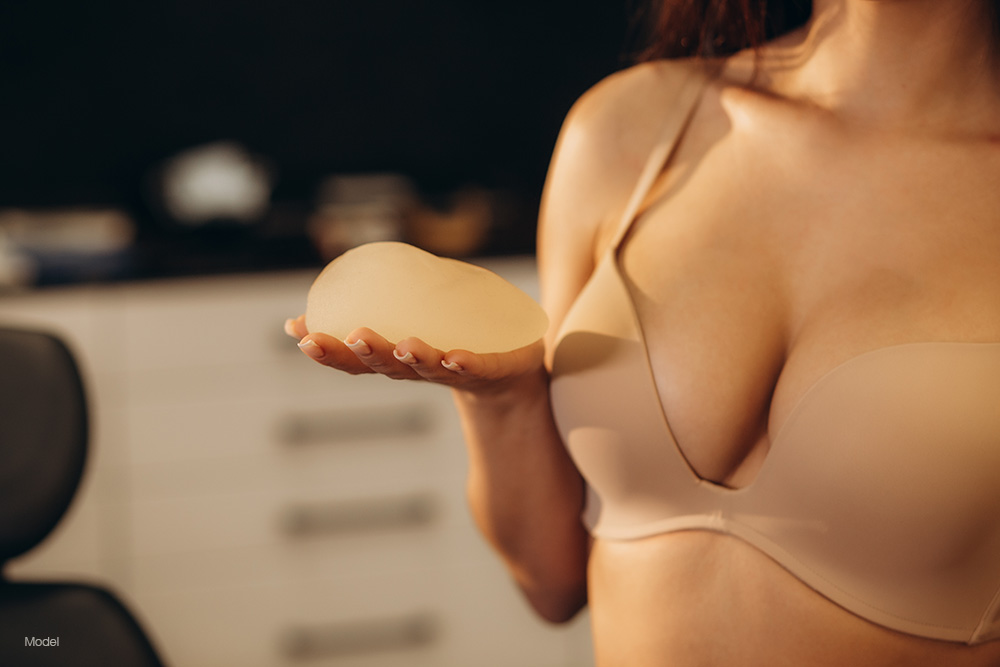
Choosing between silicone vs. saline breast implants is one of the most important decisions you will make when planning breast augmentation. Both options offer proven safety and beautiful results, but they differ in feel, appearance, incision size, and long-term considerations. This guide compares silicone and saline implants side by side to help you determine which option best fits your body type, aesthetic goals, and lifestyle.
Understanding Your Breast Implant Options
Breast implants come in two primary types: silicone gel and saline-filled devices. These are the main breast implant types available for breast surgery, and understanding all your options is important before making a decision. Both feature a silicone outer shell, but the internal material sets them apart.
FDA-approved breast implants are available for breast augmentation. Saline implants are FDA-approved for women aged 18 and older, while silicone implants are approved for those aged 22 and older.
The “best for me” answer depends on your anatomy, desired look, and personal preference. Choosing the right implant option is a crucial decision and should be made in consultation with a board-certified cosmetic surgeon to ensure your breast implant option achieves the results you desire.
Silicone Breast Implants: Look and Feel
Silicone implants contain a cohesive silicone gel designed to mimic the feel of natural breast tissue. Modern silicone implants, sometimes called ‘gummy bear’ implants, use an advanced cohesive gel that helps them maintain their shape and provide a natural appearance, even if the outer shell is damaged. Silicone gel implants are especially beneficial for patients with thin skin or minimal tissue coverage, as they reduce rippling and closely mimic natural breasts. Manufacturers have refined this gel over time, creating what many surgeons describe as a more natural texture.
The feel of an implant is often one of the biggest factors for patients, and silicone breast implants offer a soft, realistic feel that many patients prefer. Silicone implants are often chosen for their ability to provide a natural appearance and are especially preferred by those seeking results that closely resemble natural breasts.
Advantages of Silicone Implants
- Softer, more natural feel
- Reduced visible rippling in thinner patients
- More natural drape and movement
- Widely chosen by patients seeking subtle enhancement
Many women with minimal natural breast tissue prefer silicone because it often blends more seamlessly with their body contours. Clinical studies show high satisfaction rates among silicone implant patients, particularly regarding softness and realism.
Considerations for Silicone Gel Implants
Silicone implants require slightly larger incisions because surgeons place them pre-filled. If a rupture occurs, the gel typically remains within the implant shell or surrounding capsule, which means you may not notice changes right away. This type of implant rupture is often called a silent rupture, as it may not cause noticeable symptoms or leaks due to the silicone remaining within the scar tissue capsule. Routine imaging is necessary to detect these silent ruptures, as patients may not be aware they have experienced one. For this reason, the U.S. Food and Drug Administration recommends routine imaging, such as ultrasound or MRI, every three years after surgery to monitor for silent ruptures and address any safety concerns.
Saline Breast Implants: Structure and Safety
Saline and silicone breast implants both have an outer silicone shell, but saline implants are filled with sterile salt water after insertion, allowing for smaller incisions and the ability to adjust implant size for symmetry during surgery. Saline implants are usually put into the breast empty and filled when they’re in place, which makes them lighter weight and more budget-friendly than silicone implants. Because saline implants are filled during surgery, they are less costly upfront compared to pre-filled silicone implants. Both saline and silicone implants are considered safe options for breast augmentation.
Saline implants are generally firmer to the touch and more prone to rippling or deflation over time than silicone implants.
Advantages of Saline Implants
- Smaller incision placement
- Immediate detection of rupture (implant deflates visibly)
- Slightly lower upfront cost in some cases
- Volume adjustability during surgery
If a saline implant ruptures, the body safely absorbs the saline solution. The breast will visibly deflate, alerting you to the issue quickly.
Considerations for Saline Breast Implants
Saline implants may feel firmer than silicone and are more likely to show rippling, especially in patients with thinner skin or limited natural tissue. Placement beneath the chest muscle often reduces visible rippling.
Comparing Silicone vs. Saline: Key Differences
When weighing silicone vs. saline breast implants, consider the following factors:
Both saline and silicone breast implants have an outer silicone shell, which is important for their safety and durability. Both types come in two primary implant shapes: round and teardrop. The breast implant profile refers to how far the implant projects from the chest. Consulting a cosmetic surgeon can help you determine the best implant option and profile for your body type and goals. The choice between saline and silicone is ultimately the patient’s choice, and a thorough consultation with your surgeon is essential to tailor the procedure to your individual needs.
Feel: Silicone generally feels softer and more natural. Most people believe that silicone breast implants look and feel more like natural breasts, and surgeon preference often leans toward silicone for superior aesthetic outcomes. Saline may feel slightly firmer and is more prone to rippling or deflation over time.
Appearance: Silicone tends to create smoother upper pole fullness and is less likely to ripple or show visible folds compared to saline implants. Saline can show rippling in certain body types.
Incision Size: Saline requires a smaller incision because surgeons fill it after placement.
Rupture Detection: Saline deflates immediately. Silicone requires imaging to confirm rupture. Neither type of implant is guaranteed to last a lifetime and may need to be replaced due to rupture or scar tissue that forms as a result of the surgery.
Age Requirements: The FDA approves saline implants for patients 18 and older, while silicone implants are approved for patients 22 and older for cosmetic augmentation.
Both implant types maintain strong safety records when placed by a board-certified cosmetic surgeon.
Which Breast Implants Are Best for Me?
Your body type plays a critical role in choosing the right implant. Women with thin tissue coverage often achieve more natural-looking results with silicone. Patients who prioritize peace of mind regarding rupture detection may prefer saline.
Lifestyle considerations also matter. Athletes, fitness enthusiasts, and highly active individuals should discuss implant placement and material with their surgeon to ensure optimal comfort and performance.
During your initial consultation, your cosmetic surgeon will review all available implant options and help you select the best one for your body type and desired volume.
During consultation, your surgeon will evaluate:
- Chest wall dimensions
- Existing breast tissue
- Skin elasticity
- Desired cup size
- Long-term goals
The recommended treatment will depend on your unique aesthetic goals and should be tailored to your individual needs.
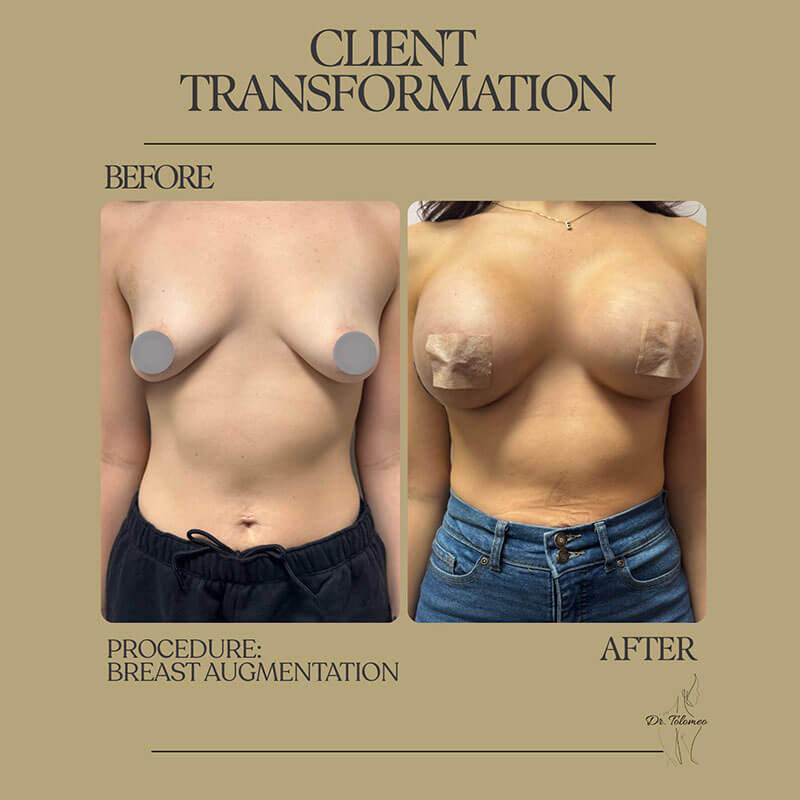
Trying on implant sizers and reviewing before-and-after photos can help clarify your vision.
Safety and Longevity
Both silicone and saline implants undergo extensive safety testing and FDA oversight. Modern implants feature durable shells designed to withstand normal activity. While implants are not considered lifetime devices, many last 10 to 20 years or longer without complications.
Patients with breast implants should have them examined routinely, including regular mammograms to monitor for implant rupture. Both saline and silicone breast implants can potentially rupture, and the chance of rupture increases the longer the implants have been in place; however, the likelihood of serious health concerns from rupture is low. Routine mammograms can easily detect implant rupture, so it can be addressed promptly.
Textured implants, which have a rougher surface to help with stability and adherence, have been associated with a rare risk of breast implant-associated anaplastic large cell lymphoma (BIA-ALCL). It is important to note that BIA-ALCL is not breast cancer, but patients should be aware of symptoms such as swelling or lumps and consult their surgeon if they have concerns.
Routine follow-ups ensure long-term breast health and implant integrity.
Breast Implant Maintenance and Aftercare
Maintaining your breast implants is essential for long-term satisfaction and safety after breast augmentation. Breast augmentation patients should perform regular self-examinations to monitor for any changes in their breasts, such as swelling, redness, or unusual sensations. Routine mammograms are important for ongoing breast health and can help detect any issues with the implants early on. It’s also crucial to attend all scheduled follow-up appointments with your cosmetic surgeon, who will assess the condition of your implants and address any concerns you may have.
Remember, breast implants—whether silicone implants or saline implants—are not designed to last a lifetime. Over time, both types of implants can experience wear, rupture, or leakage, and may eventually need to be replaced. Silicone implants are generally known for their durability and may last longer than saline implants, but regular monitoring is important for all types of implants. By staying proactive with your aftercare and maintaining open communication with your cosmetic surgeon, you can help ensure the health of your breasts and the longevity of your breast augmentation results.
Breast Augmentation Results: What You Can Expect
The outcome of breast augmentation surgery is influenced by several factors, including the type of breast implant you choose, the implant size, and your personal aesthetic goals. Silicone breast implants are often praised for their natural feel and subtle, life-like appearance, making them a popular choice for patients seeking results that closely resemble natural breast tissue. Saline implants, on the other hand, can provide a more noticeable increase in size and are sometimes preferred by those looking for a more dramatic transformation.
Schedule Your Breast Implant Consultation in Tampa, FL
If you are asking, “Should I get silicone or saline? Which is best for me?” the most reliable answer comes from a personalized consultation. Contact Dr. Pasquale Tolomeo in Tampa, FL, to discuss your breast implant options. Schedule your consultation by calling (516) 350-8168 or complete the contact form today and take the next step toward confident, beautifully balanced results.