January 14, 2026 | 6 minute read

Tummy tucks offer transformative results for patients with excess skin and stretched abdominal muscles after pregnancy or weight loss. But surgery that removes skin and makes major changes to the body requires incisions, and incisions result in scars. What do tummy tuck scars look like? This blog explores the location, appearance, and healing progress of tummy tuck scars, as well as how to minimize their appearance.
Is It a Trick of the Light, or a Tummy Tuck?
Cosmetic surgery can deliver stunning results, but it’s not magic. A cosmetic surgeon performs the work, and they require extensive knowledge, experience, and an eye for beauty. But like magic, there’s some tradeoff. Many patients would claim that a surgical scar is one of the costs of cosmetic surgery, because these results don’t just appear out of thin air—a surgeon needs to make incisions on the body, and wherever there’s an incision, there’s likely to be a scar.
But here’s the thing: there are many factors that contribute to the size, appearance, and visibility of a surgical scar. Incisions are placed only where absolutely necessary for the procedure, so each procedure type has its own standard incision placement (with some variations based on the surgeon’s experience and the patient’s needs).
Where Will My Tummy Tuck Scars Be Located?
A traditional or full tummy tuck addresses loose skin throughout the midsection, from the pubic bone to just below the ribs; excess pockets of fat; and a stretched or separated abdominal wall, a condition known as diastasis recti. It addresses concerns across the entire front of the midsection, including the navel.
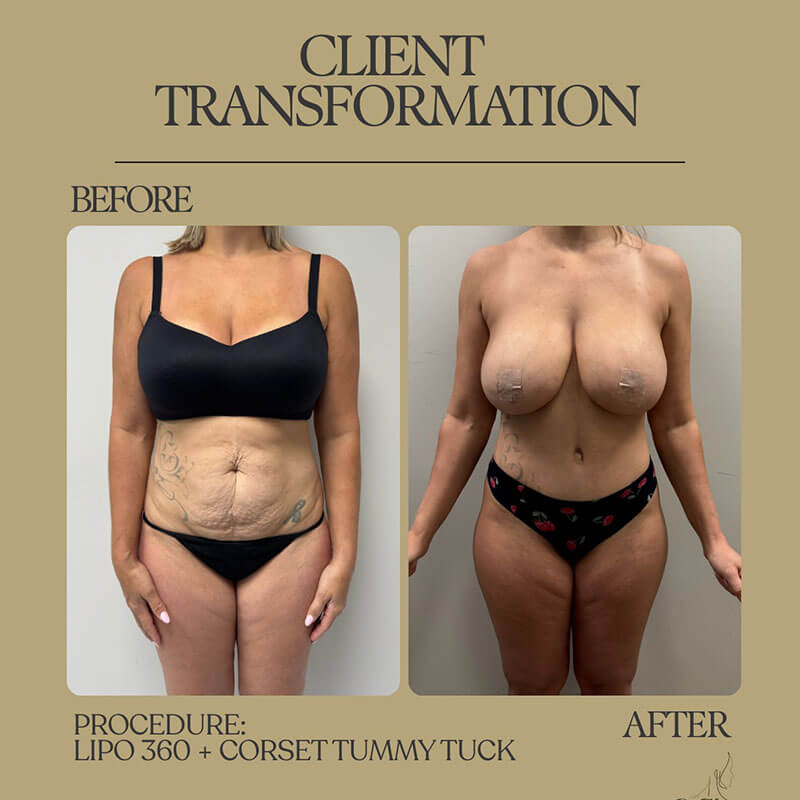
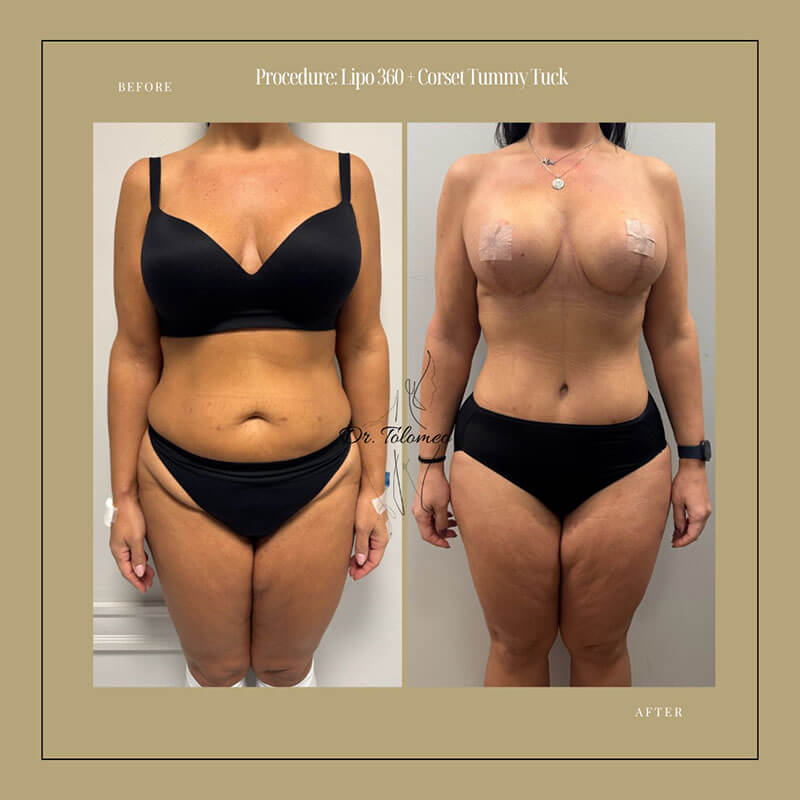
To address these areas and access the internal abdominal wall, your surgeon will need to make a horizontal incision across the lower abdomen, from hip to hip, just above the pubic bone. Patients often worry about belly button scars, so it’s helpful to explain that during a tummy tuck the belly button is typically brought out through a new opening, and the resulting scar is usually concealed within the natural contours of the navel.
Now, that’s just for traditional tummy tucks. There are many different tummy tuck options and techniques available, depending on the level of necessary revision each patient has, so do your research and discuss the incision locations with your surgeon during your tummy tuck consultation to learn where they place incisions. There are two other popular tummy tuck options you might come across:
- Mini tummy tucks: Less invasive, with a shorter scar, for patients with minimal skin sagging and abdominal stretching. This incision is a short horizontal line low on the belly, where a cesarean scar may be. There is no secondary navel incision.
- Extended tummy tucks: More advanced than mini or traditional tummy tucks, they also include revision of loose skin on the hips and lower back. The extended tummy tuck incision is the same as the traditional, except the horizontal line extends past the hips and rotates around to the back, plus the secondary navel incision.
While surgical incisions are based on the patient’s needs, the extent of revision required, and the requirements of the surgical technique, your surgeon will keep your goals for scar visibility in mind.
Tummy Tuck Scar Healing Stages
Like the rest of your body, your scar heals in stages. Here’s what a normal scar healing progression might look like:
Initial Healing: 1–4 Weeks
Immediately after your procedure, your incisions are not yet scars; they are closed lines. They will appear red, raised, and swollen. Your body is already working to heal them, as collagen is being sent to repair the damage. Your surgeon will provide instructions on caring for the wounds and keeping them clean and dry.
Your sutures (stitches) will be removed during the initial period, after the skin has knitted back together, or “sealed.” After this point, you can begin early scar care by applying silicone gel sheets and creams to promote healing and minimize scar appearance. These products keep the skin soft and supple and reduce scar tissue overaccumulation, which can cause scars to appear bumpy or raised. Gentle daily massage can also help to break down scar tissue, but follow your surgeon’s instructions on this.
The key to early healing is to reduce tension on the incisions. Tension, which pulls the skin apart, induces microtears in healing skin and can lead to more severe scarring. This is one of the reasons you are required to reduce physical activity, such as bending or lifting—it causes tension and stresses the skin.
Moderate Healing: 2–6 Months
This is a period of scar maturation, as the incision site is no longer raised or tender to the touch. It feels like a real scar. It will likely remain obvious, even red or purplish in color, depending on your skin tone. However, it will continue to flatten and fade over the coming months.
Continue with your scar care protocols, and be sure to use a strong SPF whenever your scar is in the sun. Sun exposure can worsen scars by promoting hyperpigmentation and collagen degradation during tissue repair. Play it safe: avoid the sun on your scar for at least a year, and always use sunscreen.
Advanced Maturation: 7–12 Months
Depending on scar maturity and individual healing, scars are typically fully healed one year post-op. It should be faded from intense reds or purples to light pinks or browns, closer to the color of the surrounding skin. It should also be flat and smooth.
This is a good time to begin a more intensive scar care protocol, because it is fully healed. Certain laser treatments can reduce the appearance and raised textures of scars, so this might be a good option for those concerned about their scars.
Long-term Maturation: 1–5+ Years
Your scar can continue to change over time. The best scar appearances are visible only on close inspection and are thin and imperceptible to the touch.
It’s important to remember that everyone has different healing capacities and propensities for scarring. Patients with darker skin tones may be more susceptible to keloids or raised scars, so it’s important to discuss this with your surgeon before surgery. With proper care, following your surgeon’s aftercare instructions, and avoiding sun damage, most patients can achieve an inconspicuous tummy tuck scar.
Learn Your Tummy Tuck Options in Tampa, FL
Dr. Pasquale Tolomeo is a master of body contouring techniques that look magical; his attention to detail, advanced techniques learned from the world’s top surgeons, and eye for ideal curves make him one of the most sought-after surgeons in Florida. Learn more about his corset tummy tuck, tummy tuck with Lipo 360, and more for a transformational result by calling (516) 350-8168 or by completing the contact form to request a consultation.